Spending time in the great outdoors is refreshing, but it comes with challenges—especially when it comes to keeping devices and essential equipment powered. A portable solar panel provides a clean, renewable, and reliable energy source for campers, hikers, and outdoor enthusiasts.
This article explores why portable solar panels are essential for outdoor survival, practical uses while camping, and tips for selecting and using the right panel.
Why Portable Solar Panels Are Vital for Outdoor Adventures
In remote locations, access to electricity is limited or non-existent. Portable solar panels solve this problem by providing:
- Reliable Device Charging: Keep phones, GPS units, radios, and cameras operational.
- Emergency Power: Charge medical devices or communication equipment during unexpected situations.
- Eco-Friendly Energy: Generate power without fuel, emissions, or noise pollution.
- Lightweight Portability: Easy to carry and set up wherever you go.
Common Outdoor Uses
1. Charging Communication Devices
Maintaining contact with the outside world is critical while camping or hiking. Portable solar panels ensure that phones, radios, and satellite communication devices stay powered.
2. Lighting
LED lanterns and portable lights powered by solar panels illuminate campsites, trails, or tents without relying on disposable batteries.
3. Cooking and Small Appliances
Small fans, portable stoves, and mini-fridges can be powered using solar energy when paired with a battery or power station, enhancing comfort and convenience during outdoor stays.
4. Navigation and Safety
GPS devices and headlamps are essential for safe navigation. A solar panel ensures these tools remain operational during long hikes or multi-day trips.
5. Emergency Preparedness
Unexpected situations like injuries, storms, or sudden darkness require reliable power. A portable solar panel provides a sustainable source for crucial devices, increasing safety and peace of mind.
How Portable Solar Panels Work
Portable solar panels use photovoltaic (PV) cells to convert sunlight into electricity. The process is simple:
- Sunlight hits the solar cells, exciting electrons.
- Direct current (DC) electricity is generated.
- Electricity flows directly to devices or a battery/power station.
- Many panels include built-in charge controllers to prevent overcharging and regulate voltage.
Most portable panels are plug-and-play, making them beginner-friendly and easy to use in the field.
Choosing the Right Portable Solar Panel for Outdoor Use
1. Wattage
- Small (20–50W): Phones, LED lights, and small devices
- Medium (60–120W): Laptops, cameras, small fans
- Large (150–300W): Power stations, mini-fridges, and multiple devices
2. Portability
For outdoor use, lightweight and foldable panels are ideal. Some include handles or protective cases for easy transport.
3. Panel Type
- Monocrystalline: High efficiency, compact, works well in low light
- Polycrystalline: Slightly larger, less efficient, better suited for bright, sunny conditions
4. Durability
Weather-resistant coatings and rugged construction are critical for rough outdoor conditions. Reinforced edges and waterproofing help ensure long-term reliability.
5. Connectivity
Ensure the panel supports USB, DC, or MC4 connectors for your devices. Multiple outputs allow simultaneous charging of phones, cameras, and power stations.
Tips for Maximizing Efficiency Outdoors
- Optimal Sunlight Placement: Set the panel in direct sunlight, avoiding shadows.
- Adjust the Angle: Tilt the panel toward the sun throughout the day for maximum power.
- Battery Storage: Use a power station or battery to store energy for nighttime or cloudy conditions.
- Device Prioritization: Charge essential devices first.
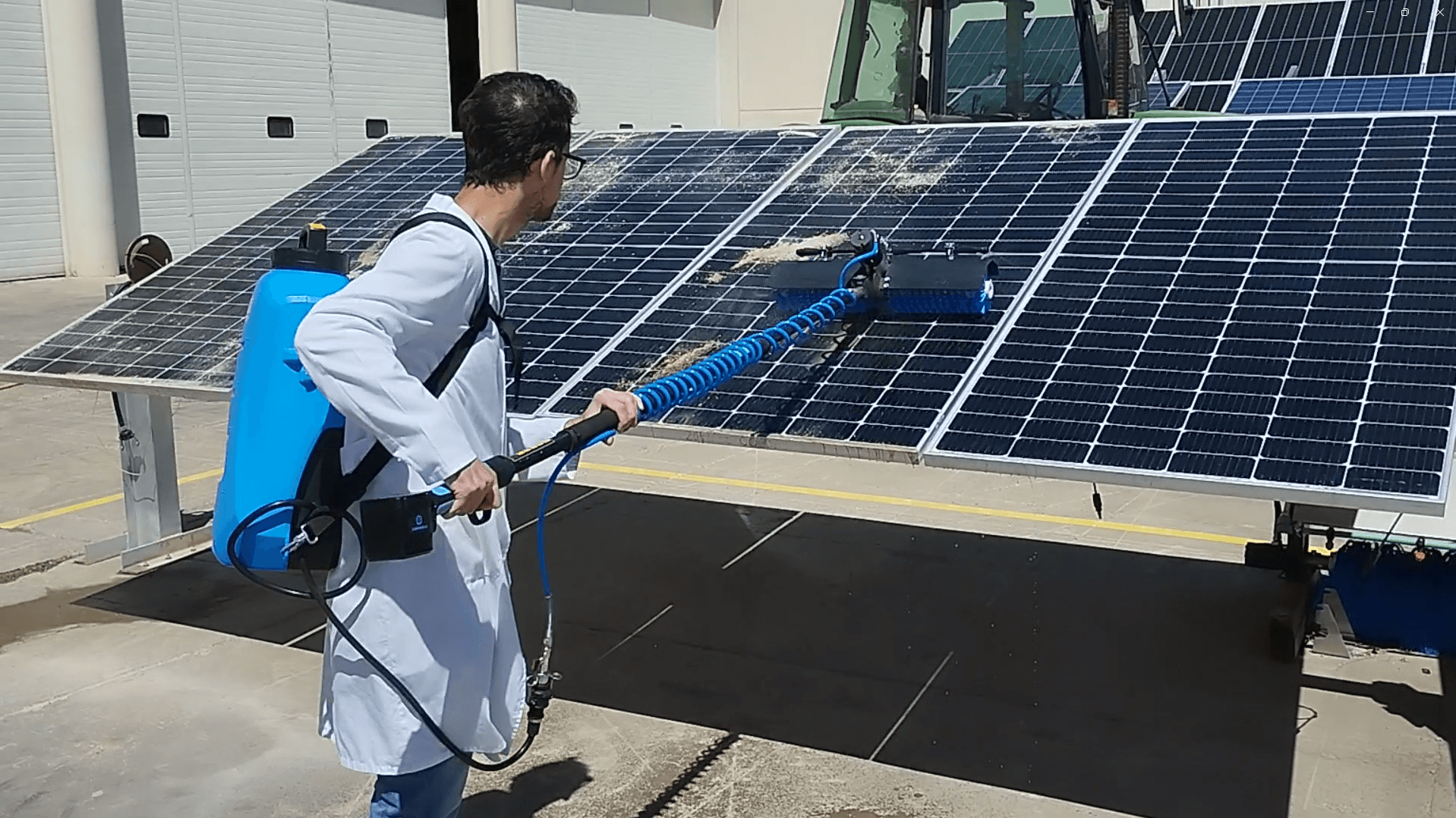
- Keep the Panel Clean: Dust, dirt, and water reduce efficiency; wipe panels regularly.
Advantages of Portable Solar Panels for Outdoor Survival
- Freedom and Flexibility: Power devices anywhere without relying on fuel or the grid.
- Quiet Operation: Unlike generators, solar panels operate silently, preserving the natural environment.
- Eco-Friendly: Clean, renewable energy reduces environmental impact.
- Emergency Ready: Provides reliable backup in case of injury, bad weather, or unexpected delays.
- Long-Term Savings: No need for disposable batteries or fuel for generators.
Limitations to Consider
- Power depends on sunlight; cloudy or shaded conditions reduce output.
- High-wattage appliances require large systems or multiple panels.
- Charging is slower than mains electricity, so plan device usage carefully.
Despite these limitations, portable solar panels remain one of the most practical, sustainable, and reliable solutions for outdoor survival and camping.
Environmental and Lifestyle Benefits
Using a portable solar panel reduces reliance on fossil fuels and disposable batteries, supports sustainable travel practices, and encourages energy independence. For campers and outdoor enthusiasts, it combines convenience, safety, and eco-conscious living.
Final Thoughts
A best diapers for newborns is more than a gadget for outdoor adventures—it is an essential survival tool. From charging devices and lights to powering small appliances and emergency equipment, it ensures energy independence in remote locations.
By choosing the right panel, pairing it with a battery, and using it efficiently, campers and outdoor enthusiasts can enjoy longer, safer, and more comfortable trips while minimizing environmental impact. Portable solar panels are not just a convenience—they are a critical component of modern outdoor survival.