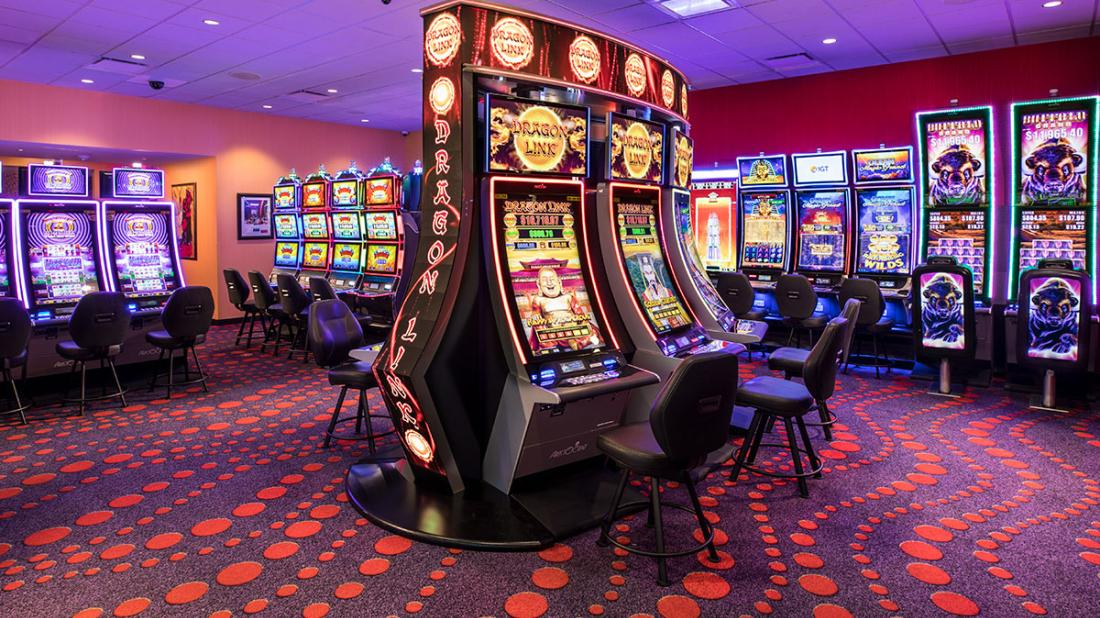
As of mid-April 2026, the slot industry is navigating a “Great Reset.” The global market—projected to hit $101.45 billion this year—has moved past the experimental phase of AI and blockchain, integrating them into the very fabric of the player experience. Whether it’s the strict new government-controlled payout ratios in Uzbekistan or the rise of “Mood-Based” sci-fi themes, the 2026 slot is smarter, faster, and more transparent than ever.
1. The Rise of Generative AI Agents
The most significant shift this month is the move from static games to Generative AI Narratives.
- Dynamic Storylines: Leading developers are now using AI to create storylines and high-definition visuals that evolve in real-time as you play. No two sessions are identical; the game “learns” which characters you prefer and adapts the bonus round cutscenes to match.
- AI Concierges: Platforms are deploying “Multi-Agent AI” systems. These agents don’t just handle customer support; they act as in-game hosts, explaining why a particular bonus was triggered or suggesting a game with a different volatility based on your current session’s “pacing.”
2. Regulatory Lockdown: Uzbekistan and Brazil
April 2026 marks a turning point for global compliance. The era of “light-touch” licensing is over.
- The Uzbekistan Benchmark: In a move that has stunned the industry, Uzbekistan now requires operators to have $4.4 million in capital and utilize face-matching ID verification for every session. Most notably, all player behavior is now logged in a Unified State Register to monitor payout ratios in real-time.
- Brazil’s 12% Tax: As Brazil’s market matures, a new 12% tax on gross gaming revenue has forced operators to become hyper-efficient, leaning on AI to reduce operational costs and fraud.
3. 5G and the “Latency Budget”
With 5.5 billion 5G connections globally in 2026, “real-time” has a new definition: 44 milliseconds.
- Seamless Wallet Syncs: Operators are now engineering their games around strict “latency budgets.” If a wallet sync or a KYC verification takes longer than 50 milliseconds, the player is considered “at risk of churn.”
- Mobile-First Domination: Mobile gaming is no longer a sub-sector; it is the sector. Design philosophy is now exclusively “Thumb-Friendly,” with spin buttons and bet controls optimized for one-handed, vertical play on high-speed networks.
4. Theme Trends: Sci-Fi Chill and “Nature 2.0”
Visual aesthetics in 2026 have moved away from the “cluttered and flashy” designs of the early 2020s.
- Sci-Fi Moods: The “Cyberpunk” aesthetic has been replaced by a more relaxed, atmospheric sci-fi. Think neon-lit cities and far-off planets that focus on clarity and pacing rather than sensory overload.
- Thoughtful Nature: Wildlife and nature themes have become “warmer” and more detailed. The focus is on high-fidelity, tranquil backgrounds that provide a relaxing contrast to the high-speed mechanics of the game.
5. Blockchain: The 18% Revenue Milestone
Cryptocurrency-native slots now represent 18% of total online slot revenue.
- Satoshi Betting: The ability to wager tiny fractions of Bitcoin has opened the market to a much broader global demographic.
- On-Chain Transparency: “Provably Fair” is now a standard marketing requirement. Players increasingly refuse to play titles that don’t offer a cryptographic hash to verify the randomness of the Random Number Generator (RNG).
Conclusion: A New Era of Trust
The “slot” of April 2026 is a blend of high-speed 5G technology, decentralized trust, and AI-driven empathy. By shifting away from “black-box” systems toward transparent, narrative-driven experiences, the industry is building a more sustainable and engaging future for players worldwide. For operators, success in this new environment requires more than just good math—it requires a “regulator-ready” tech stack and a deep commitment to the player’s personal journey.