Mold removal is an essential process for maintaining a safe and healthy indoor environment. The keyword “mold removal” refers to the identification, cleaning, and elimination of mold growth from homes, offices, and other buildings. Mold is a type of fungus that thrives in damp, humid conditions and can spread quickly if not addressed properly. Effective mold removal helps protect both property and human health.
One of the main causes of mold growth is excess moisture. Leaking pipes, roof damage, flooding, poor ventilation, and high humidity levels can all contribute to mold development. Once mold begins to grow, it can spread across walls, ceilings, floors, and even inside HVAC systems. This makes early detection and timely mold removal extremely important.
Mold removal begins with inspection and identification. Professional mold remediation specialists assess the affected areas to determine the extent of the contamination. They often use specialized tools such as moisture meters and air quality testing equipment to locate hidden mold that may not be visible on surfaces. Identifying the source of moisture is a critical step in preventing future growth.
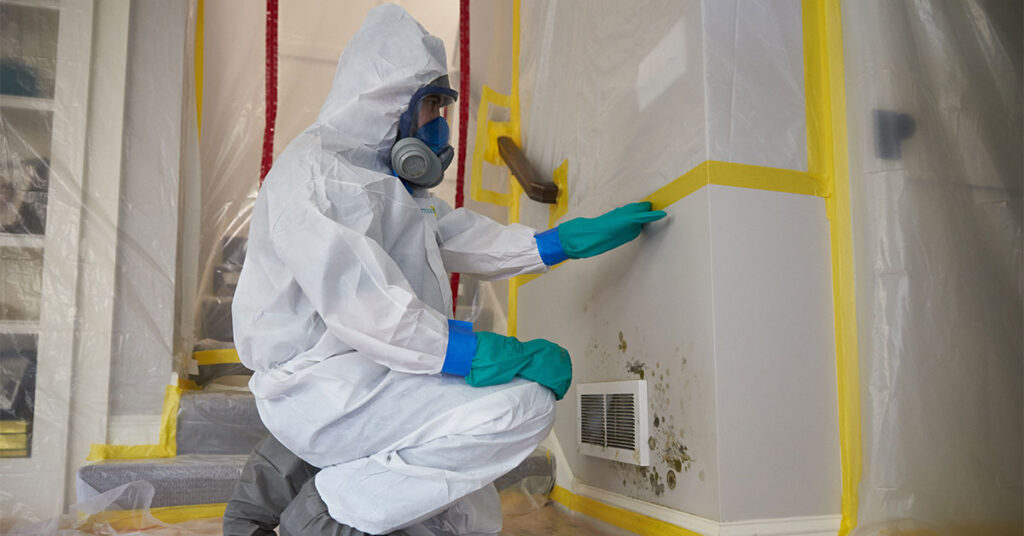
Containment is another important part of mold removal. Since mold spores can easily spread through the air, professionals isolate the affected area using plastic sheeting and negative air pressure systems. This helps prevent contamination from spreading to other parts of the building during the removal process.
Once the area is contained, the actual mold removal process begins. Depending on the severity of the infestation, different cleaning methods may be used. Non-porous surfaces can often be cleaned with specialized antimicrobial solutions, while heavily contaminated materials such as drywall, insulation, or carpeting may need to be removed and replaced entirely.
Air filtration is also a key component of mold removal. High-efficiency particulate air (HEPA) filters are used to capture airborne mold spores and improve indoor air quality. This step helps ensure that the environment is safe after the physical mold has been removed.
After mold removal, thorough drying and dehumidification are necessary to prevent recurrence. Moisture control is essential because mold can return if conditions remain damp. Professionals often use industrial dehumidifiers and air movers to eliminate excess moisture and restore safe humidity levels.
Preventing future mold growth is just as important as the removal process itself. Homeowners can reduce the risk of mold by fixing leaks promptly, improving ventilation in bathrooms and kitchens, and using dehumidifiers in humid areas. Regular inspections and maintenance can also help identify moisture problems before they lead to mold growth.
Mold removal is especially important for health reasons. Exposure to mold can cause allergic reactions, respiratory issues, skin irritation, and other health problems, particularly for individuals with asthma or weakened immune systems. Children and elderly individuals are often more sensitive to mold exposure, making prompt remediation essential.
Professional mold removal services offer expertise, safety, and efficiency. Certified technicians follow industry standards to ensure that mold is completely removed and that the affected area is properly restored. Attempting DIY mold removal in severe cases can sometimes make the problem worse if spores spread during improper cleaning.
Insurance coverage may also play a role in mold removal situations. In some cases, homeowners insurance may cover mold remediation if the damage is caused by a covered event such as water damage from a burst pipe. Understanding policy details can help property owners manage costs more effectively.
In conclusion, mold removal is a critical service for maintaining healthy indoor environments and protecting property value. The keyword “mold removal” represents a process that involves inspection, containment, cleaning, and prevention. By addressing mold issues quickly and professionally, homeowners and businesses can ensure safer air quality, prevent structural damage, and maintain a clean and healthy living space.